
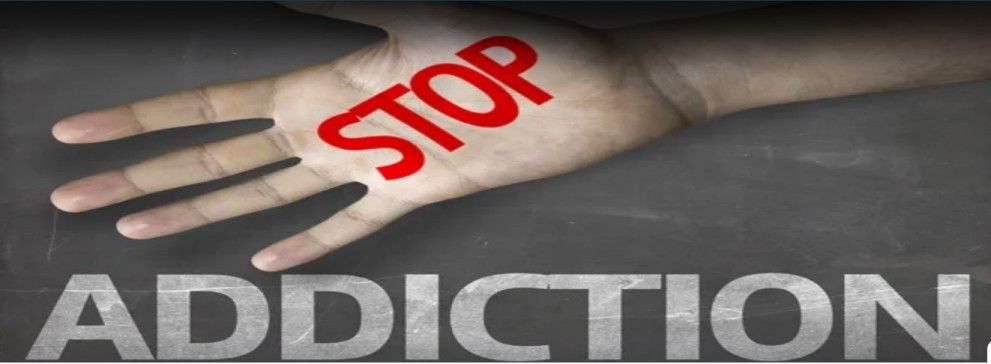

Drug addiction has become one of the most serious challenges in today's world. The young generation, which is taken to be the future of the nation, is increasingly falling into the trap of drugs abuse and addiction.
Drug addiction has become one of the most serious challenges in today's world. The young generation, which is taken to be the future of the nation, is increasingly falling into the trap of drugs abuse and addiction. Be it an addiction to illegal substances or prescription drugs addiction, both are damaging the youth physically, mentally, socially, and economically.
India's drug market is worth billions, and the growing number of addicts tells how deeply this issue has crept into society. When a person has drugs on a regular basis, the brain gets addicted to it. The after-effects of drugs addiction are weakened thinking power, loss of self-control, emotional instability, depression, and increased cravings. Once fallen into such a trap, many years may be required for a person to recover from it.
However, modern drugs addiction treatment combined with family support and professional medical guidance can help individuals rebuild their lives.
What is drugs addiction?
Addiction is a chronic disease characterized by the physical and mental dependence of a person on substances like alcohol, narcotics, or prescription medicines. The person is aware of all the bad consequences and yet cannot resist using the drug.
Types of Drugs Addiction
Addiction is caused by different substances among different individuals. The major types of drugs addiction include:
Addiction to illegal narcotics: heroin, cocaine, etc.
Alcoholism
Prescription drug addiction: painkillers, sleeping pills, etc.
Nicotine or tobacco addiction
Synthetic drug addiction: LSD, ecstasy, etc.
Each type has dangerous consequences, and their prolonged use severely affects brain and body functions.
Effects of Drugs Addiction
The effects of drug addiction can be devastating and long-lasting:
Poor memory, coupled with lowered cognitive ability
Anxiety, depression, and mood swings.
Loss of appetite and extreme changes in weight
Heart, liver, and kidney damage
Relationship issues
Financial instability
Aggressive or violent behavior
Drug addiction doesn't only destroy the addict's life, but also affects families and society.
Reasons for Drug Abuse and Addiction
People start to use drugs for many various reasons. Some of the major causes include:
1. Loneliness
Loneliness is one of the strong emotional triggers. Mostly, people begin to take drugs when they wish to be relieved from emotional emptiness.
2. Too much work or study pressure
Drug abuse is often used by students to get over examination stress. Employees under constant pressure may also seek temporary relief in drugs to relax or stay awake longer.
3. Family Problems
Conflicts at home, lack of emotional support, or stressful family environments push many people toward drugs addiction.
4. Experimentation
Many teenagers start using drugs as an experiment. This quickly escalates into peer pressure and curiosity, which may lead to long-term addiction.
5. Easy Availability of Drugs
Some drugs require prescriptions, while most of the addictive substances are available illegally. This increases the rate of drug abuse among the youth.
Remedies to Overcome Drug Abuse and Addiction
Recovery from addiction is tough, though possible with strong will, medical help, and emotional support.
1. Doctor’s Advice
The first step toward treatment for drug addiction is to consult a qualified doctor or psychiatrist. Professional treatment creates a structured path toward recovery.
2. Regular Exercise
Physical activities like jogging, yoga, gym workouts, and swimming reduce stress and control cravings, thus maintaining mental health.
3. Balanced Diet
A good diet replaces the worn-out cells and weak organs affected by continuous drug use. Proper nutrition accelerates physical and mental recovery.
4. Talk to Close Friends or Family
Sharing emotional struggles reduces stress. Support from loved ones gives strength in fighting addiction.
5. Stringent Control over Sales of Drugs
Illegal drug trafficking should be utterly prohibited. Stronger laws and their enforcement may prevent people from accessing such hazardous substances.
Conclusion:
Drug abuse and addiction are spreading worldwide, amongst the youth especially. The usage of drugs can reach such an extent that it becomes life threatening; therefore, if proper care and guidance are provided, awareness can be created to keep people away from addictions.
Those who are already suffering should seek medical help, undergo drugs addiction treatment, and take emotional support from friends and family. Recovery is possible, and life after addiction can become meaningful again with the right steps.
FAQs
1. What is drugs addiction?
Drugs addiction is a chronic condition where a person becomes dependent on harmful substances, losing control over their usage despite dangerous consequences.
2. What are the main types of drugs addiction?
Common types include alcohol addiction, opioid addiction, cocaine addiction, cannabis/marijuana addiction, prescription drug addiction, inhalant addiction, hallucinogen addiction, and nicotine addiction.
3. What are the major effects of drug addiction?
Drug addiction affects the brain, weakens the immune system, damages organs (lungs, liver, heart), causes mental health issues like depression and anxiety, and leads to social and financial problems.
4. Why do people start using drugs?
Reasons include peer pressure, stress, curiosity, mental health issues, family problems, loneliness, and easy access to drugs.
5. Can drug addiction be treated?
Yes. With proper medical supervision, counseling, detox programs, rehabilitation centers, behavioral therapy, and long-term support, drug addiction can be treated effectively.
6. What are the early signs of drug addiction?
Signs include sudden mood changes, isolation, lack of interest in activities, poor performance in work/school, red eyes, unusual sleeping patterns, and secretive behavior.
7. Are prescription drugs also addictive?
Yes, certain prescription pills like painkillers, sedatives, sleeping pills, and anti-anxiety medicines can also cause addiction when misused.
8. How can we prevent drug abuse in youth?
Education, strong family support, awareness programs, healthy lifestyle, early mental health treatment, and monitoring friend circles help prevent drug abuse among teens.
9. What happens if drug addiction remains untreated?
Untreated addiction may lead to severe health problems, organ failure, overdose, accidents, mental disorders, financial breakdown, and even death.
10. Is relapse normal after quitting drugs?
Yes. Relapse is common, but with continuous therapy, support groups, and lifestyle management, long-term recovery is achievable.



 26661
26661