
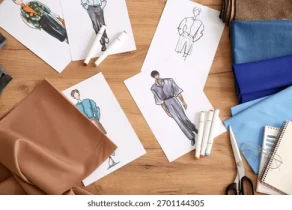

Fashion designing ek creative aur dynamic field hai jahan style, comfort aur innovation ka perfect combination hota hai. Isme designers kapdon, colors, fabrics
Fashion Designing Introductory
Fashion design is the art of developing garments, accessories, and shoes. Designers create lovely and practical items by means of fabric, hues, textures, and designs, hence expressing their artistic vision. Fashion is a way of expressing personal style, culture, even emotions; it is not just about appearances. Depending on the idea and the vision of the designer, fashion design can be basic or complex design can be basic or complex. 
Designers serve many roles in fashion:
they are innovators, entrepreneurs, trend setters, and artists. From haute couture, custom-made and frequently regarded as works of art, to ready-to-wear (RTW) collections—that is, mass-produced clothes for daily wear—fashion design spans. With a lengthy past, the career has developed over centuries to become what it is today.
Important Fashion Design Components
Although it's a complicated subject, fashion design can be clarified by reducing it into basic components. Creating garments entails a number of main elements:
Silhouette is the general form of a piece of clothing. The shape of a work influences its flair and attractiveness. A-line, straight-leg, and hourglass forms are among the most frequent silhouettes. The designer may use the silhouette to highlight a particular concept and mood for the work.. 
Fabric/Material:
Any piece of clothing's design depends on the fabric employed. Different materials provide varying weights, textures, and finishes. Cotton, silk, wool, and polyester are among regular textiles. Designers typically select fabrics according on the season, the desired appearance, and the comfort level. 
Hue:
Fashion design depends on color. It can inspire feelings, establish trends, and shape the general look of a collection. Colors can also denote distinct seasons: pastels in spring and rich, deep hues in autumn.
pattern Fashion design patterns are visual layouts of shapes or patterns on material. From polka dots to stripes to floral, it could be anything. Making a piece of clothing distinctive and fashionable depends on the pattern. 
Texture:
A fabric's texture is the sense it has—rough, smooth, soft, or glossy. Designers add dimension, interest, and visual contrast to a design with texture.
Details:
Embroidery, lace, pleats, ruffles, or embellishments are among the complex elements often included in fashion design. These little touches might improve the design to be more polished or distinctive.
Fashion Design Process
Usually involving several phases, fashion design's process goes like this:
Research and Inspiration: Design's initial stage is this one. Often starting with drawing ideas from several sources including art, history, nature, travel, or culture, fashion designers They also perform market research to find out what consumers are looking for and what the present trends are. 
Ideation and Sketching:
Designers start sketching their concepts on paper after finding inspiration. Their inventiveness shows here, as the design starts to develop. Designers experiment with several forms, materials, and embellishments to discover the perfect mix.
Pattern Creation:
Once a design is complete, a pattern maker creates the cutting templates, also called patterns. These designs are deliberately created to guarantee the apparel will have the intended form and fit appropriately.
Construction and Sewing:
The material is stitched together following the pattern after it is cut. This is the point when the garment assumes its last shape. Depending on the intricacy of the design, this can be accomplished either by hand or mechanically.
Fitting and Adjustments Following the creation of the outfit, it is tested for fit on a mannequin or model. The designer will make changes as needed to guarantee the design fits and looks just right.
Final Details:
Adding buttons, zippers, trims, or embellishments completes the look.
Styles of Fashion Design

Each kind of fashion design has its orientation and target audience among the several varieties available. The principal categories are these
Haute Couture:
This is the pinnacle of fashion design. Haute couture is custom-made clothes made just for a single client. With extreme care to detail, these clothes are produced from the greatest materials. Like those in Paris, haute couture fashion displays are thought of as the zenith of fashion.
Mass-produced and available in regular sizes, ready-to-wear garments are Though these are high-quality, elegant pieces, they are not custom made for every person. Many designers have RTW lines, therefore presenting their creations in shops or online.
Drawing inspiration from urban culture, streetwear fashion consists of relaxed looks including hoodies, graphic t-shirts, sneakers, and baggy pants. Often associated with music, skateboarding, or hip-hop culture, it is well-known among millennials.
Sportswear is clothing meant for athletic events or casual, comfortable use. Combining style with utility, sportswear provides functional patterns and performance materials.
Sustainable Clothes: Sustainable clothing emphasizes fair labor standards, ethical manufacturing methods, and ecologically friendly materials. Many modern designers are looking to sustainable fashion to lessen their environmental footprint.
Evening clothes: Formal attire for events like weddings, galas, or red-carpet events is known as eveningwear. Frequently made with satin, velvet, or silk, these clothes are typically more opulent.
Important fashion design terms you should be familiar with
Fashion design speaks its own tongue and has jargon. Some important vocabulary include:
Silhouette: The shape of a garment, as previously indicated, is this. It is the general shape of the apparel.
Pattern Design:
The method of developing templates for the manufacture of apparel.
Textile is fabric or other material used in clothing design.
Drape is how cloth hangs or descends on the body.
Seamstress or tailor is someone who alters or sews garments. A seamstress usually creates clothes, whereas a tailor concentrates on changing and adapting them.
Couture is a word used to define exquisite, custom-made clothing. Often utilized in the field of haute couture companies.
Embroidery is the aesthetic embellishment or design applied to cloth.
Upcycling is the method of giving used apparel a second life by changing it into fresh designs.
Trend forecasting is the process of estimating next fashion trends using social, cultural, and economic factors.
During fashion events, runway is the platform where models walk to display a designer's work.
Fashion illustration: frequently employed by designers to present their concepts, this skill involves drawing and sketching of fashion designs.
Fast fashion:
The fast manufacture of affordable garments, sometimes comprised of synthetic materials, meant to quickly mirror the newest styles.
Duties of a fashion designer
Designers of fashion are also problem-solvers rather than only artists. Designs that are visually appealing but yet practical and wearable must be created. Designers need to be able to:
Knowing who will purchase the clothes enables a designer to make judgments regarding pricing, fabric, and style.
Software design use:
Many present designers generate and change designs digitally using computer-aided design (CAD) software. 
Think inventively and creatively:
Fashion is all about creativity and being ahead of trends.
Collaborative work: Fashion designers often collaborate with pattern makers, fabric merchants, and marketing departments to develop and market their lines.
Fashion Shows and Marketing
One of the most important components of the fashion business are fashion shows. These events let designers present their work and introduce new collections to the public, industry professionals, and famous people. Fashion shows take place all over; noteworthy ones are staged in Milan, Paris, London, and New York.
For a designer to be successful, marketing is absolutely essential. Fashion has been made more accessible to a larger audience thanks to social media, influencers, and digital venues. The designs themselves are second in importance to a designer's brand identity and how they promote themselves. Magazine spreads, celebrity endorsements, and internet campaigns all qualify as fashion advertising.


Problems in fashion design 
Though thrilling, fashion design presents several obstacles. These are among the biggest difficulties confronting fashion designers:
Creativity versus Commercialism:
Designers have to strike a balance between their artistic vision and what is marketable. Although creative concepts are vital, the designs must also appeal to the mass market and sell.
Quick-paced Sector:
Fashion trends shift rapidly, hence designers must stay abreast of current events and shifting consumer demands.
Sustainability Designers are more and more expected to take sustainability into account in their projects and manufacturing techniques as knowledge of environmental effect expands.
Competition:
The fashion business is very competitive; new designers arise daily. It can be challenging to stand out and establish yourself.
Finally
Fashion design combines art, culture, business, and creativity to be a complex and dynamic field. It calls for inventiveness, technical proficiency, and foresight of trends. The aim is to make people feel good, show their uniqueness, and—most importantly—stand out in the fashion world whether you are creating haute couture or casual clothes.
One need become a fashion designer. Over what time frame?
Usually spanning three to four years, a bachelor's in fashion design demands academic knowledge in addition to acquired skills from internships and portfolio preparation.
Must I possess a degree to work as a fashion designer?
Though lacking a degree, great emphasis is placed on acquiring the necessary technological knowledge and industry experience.
What abilities a fashion designer needs?
Expertise in pattern design, sewing, fabric knowledge, and creative ability in drawing together with familiarity with design tools like Adobe Illustrator.
Fashion design—is it just about creating apparel?
No, it also encompasses crafting clothing, shoes, theater, and movie accessories.
What a fashion designer makes?
Starting pay might range from around $40,000 yearly for novice designers to $100,000 or more for seasoned designers depending on their job and place.
As a fashion designer, can I freelancing?
Many fashion designers have to run their own marketing and company, even while they freelance and create customized goods or work with firms.
fashion designing: thorough analysis
The artistic process of creating apparel, accessories, and shoes is known as fashion designing. Stylish, functional, creative clothing result from a mix of art, craftsmanship, and trend analysis. Fashion designers use their creative vision as well as technical skills to create designs reflecting culture, personal expression, and seasonal trends. The position entails pattern-making, fabric choice, sketching, and supervision of garment manufacturing all while keeping abreast of current fashion trends.
Fashion design entails understanding the demands and preferences of the intended market as well as balancing creativity with usefulness; it is not just about producing clothing. The work of a fashion designer affects not just the fashion industry but also the life of the people who wear their designs.
Forms of Fashion Designing
Based on the kind of clothing or the target demographic, fashion design is split into many genres. Five major varieties follow:
Haute Couture is expensive, custom-made apparel created for specific consumers using opulent materials with great attention to detail.
Designed for the general public, ready-to-wear (RTW) refers to mass-produced apparel sold in shops, providing fashionable and reasonably priced alternatives.
Influenced by youth culture, skateboarding, and hip-hop, streetwear is casual, urban-inspired attire distinguished by hoodies, sneakers, and graphic designs.
Sportswear: Merging comfort, functionality, and style, apparel made for athletic pursuits and leisure.
Sustainable Fashion:
Fashion made with environmentally friendly materials and ethical manufacturing methods, with emphasis on lowering environmental effect and upholding just labor standards.
How One Might Become Fashion Designer
Becoming a fashion designer calls a combination of passion, knowledge, and experience. A simplified path is:
Cultivate a love of fashion by first investigating and trying with it through drawing, following trends, and researching well-known designers.
Get Educated:
Essential technical abilities, design theory, and industry knowledge will come from a formal degree or diploma in fashion design.
Acquire essential skills in sewing, pattern creation, drawing, and application design programs (e.g., Adobe Illustrator).
Increase your portfolio by internships, part-time employment, and hands-on projects.
Build your portfolio: Landing clients or jobs calls for a solid portfolio highlighting your work and creativity.
Begin Your Professional Life
gaining experience in the sector is vital whether through working for a fashion house or founding your own label.
Is a good profession Design of Fashion?
For individuals who are enthusiastic about style and creativity, fashion design can be a gratifying profession. Consider the following advantages and disadvantages:
Advantages:
Opportunity to show your artistic vision through apparel.
Possibilities in design, styling, merchandising, and marketing provide career path diversity.
Global Employment: Opportunities in fashion abound worldwide.
Great Earning Potential: Particularly in luxury or bespoke apparel, successful designers can command high pay.
Disadvantages:
Extremely Competitive: Breaking into the fashion business is challenging given the intense rivalry.
Long hours and pressure: Designers often labor under tight schedules.
Freelance designers or small brand owners may have erratic earnings.
Substantial Starting Expenses: Starting your own brand calls for possibly expensive starting expenditures.
Although these obstacles exist, a career in fashion might be very rewarding if you have a passion for it and are prepared to work tirelessly.
Frequently Asked Questions Regarding Fashion Design
Becoming a fashion designer takes time.
Most of the time, it takes three to four years to finish a fashion design bachelor's degree. Furthermore vital is internship experience.
Become a fashion designer calls for a degree; should one be needed?
Although not required, a degree in fashion design facilitates the acquisition of technical skills and industry knowledge.
Becoming a fashion designer requires which abilities?
Knowledge of fabrics, pattern creation, sewing, drawing ability, creativity, and expertise in design program like as Adobe Illustrator.
Fashion designing, therefore, is not only about creating apparel.
No, it also encompasses creating film, theatrical, and television costumes, accessories, and shoes. 
Salary of a fashion designer is what?
Starting salaries start at $40,000 yearly; seasoned designers make up to $100,000 depending on experience and location.
Can I find freelance fashion designer employment?
Many fashion designers do freelance work creating unique designs or partnering with companies. Still, they have to run their own marketing and company.




 2279
2279