
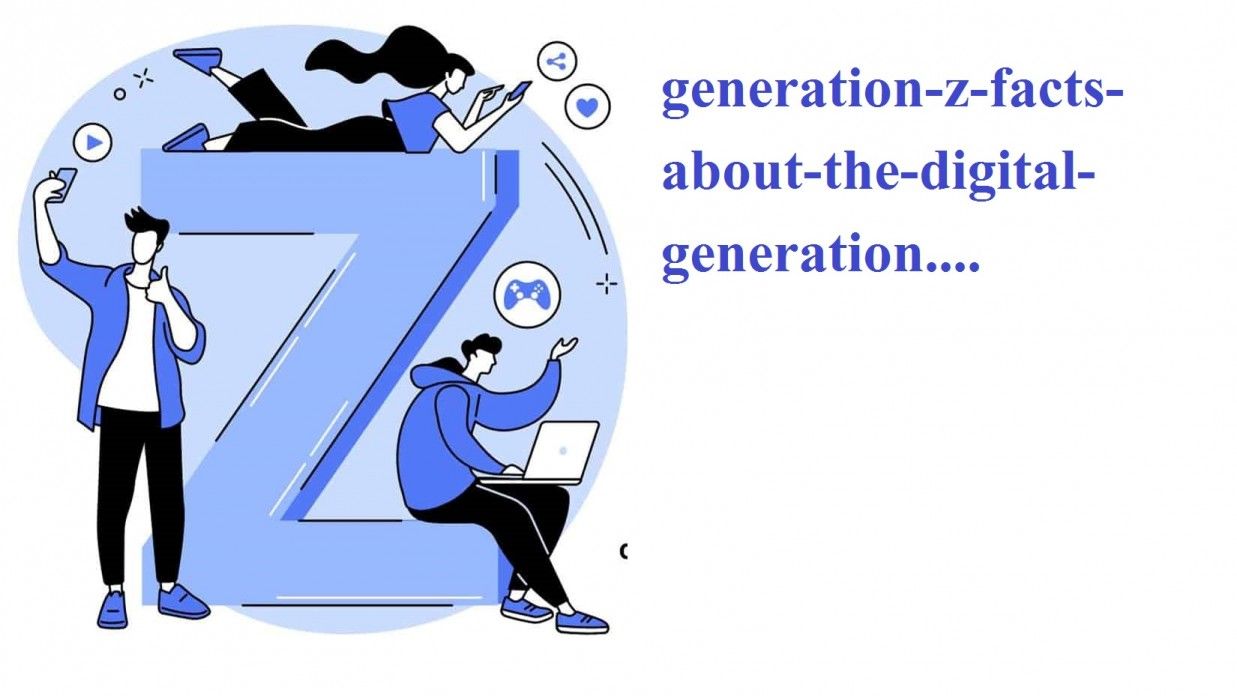

Generation Z — or simply Gen Z — is a term used to describe individuals who were born around 1997 and 2012. This Generation Z lifestyle is defined by hyper-connectedness, smartphones, social media, and streaming services.
Generation Z — or simply Gen Z — is a term used to describe individuals who were born around 1997 and 2012. This Generation Z lifestyle is defined by hyper-connectedness, smartphones, social media, and streaming services. Unlike Millennials, Gen Z does not remember life without the internet. They are technically skilled, socially conscious, and goal-oriented with authenticity.
In today’s fast-paced and digital world, Gen Z trends 2025 are redefining everything — from work culture to consumer behavior, education, politics, and entertainment.
Who is Gen Z?
Who is Gen Z?
Gen Z is the first generation to be completely digital-born. They grew up during the time of Google, Instagram, YouTube, and TikTok. Surrounded by screens, they also value real relationships, social causes, and mental health.
Birth Years: 1997–2012
Age Range (in 2025): 13 to 28 years old
Major Gen Z Characteristics:
- Tech-innovative and web-dependent
- Socially responsible and inclusive
- Entrepreneurial and money-conscious
- Mental health–oriented
- Value-based consumers
These Generation Z facts show how this group blends innovation with empathy, creating a lifestyle that is both digital and human.
Gen Z vs. Millennials
While Gen Z follows Millennials, there are clear distinctions between the two generations that shape their Gen Z lifestyle and thinking.
| Dimension | Millennials | Gen Z |
| Technology | Experienced digital revolution | Born in digital era |
| Communication | Use Facebook, Email | Prefer TikTok, Snapchat, Discord |
| Work Preference | Prefer flexibility | Prefer freedom and purpose |
| Shopping | Brand loyalty | Authenticity and sustainability |
| Mindset | Optimistic | Realistic and practical |
Gen Z doesn’t merely use technology — they create it. From YouTubers and influencers to young entrepreneurs, many have turned their passions into full-time careers before the age of 25 — a perfect example of Gen Z habits and innovation.
Gen Z and Technology
Gen Z and technology go hand in hand. Often called the "TikTok Generation", they spend hours swiping, learning, creating, and networking online. Unlike previous generations that used tech for entertainment, Gen Z uses it for activism, learning, and earning.
Top Platforms for Gen Z:
- TikTok – Entertainment and creativity
- Instagram – Lifestyle and trends
- YouTube – Learning and content creation
- Snapchat – Daily communication
- LinkedIn – Career development and networking
With an average screen time of 7+ hours daily, this Generation Z lifestyle revolves around digital engagement — yet they also prioritize digital detox and self-care.
Gen Z and Education
When it comes to education, Gen Z habits focus on visual and interactive learning. They prefer videos, AI tools, and practical experiences over traditional lectures.
Top learning resources:
- Online platforms like Coursera and Skillshare
- YouTube tutorials
- AI-based tools like ChatGPT and Grammarly
They are independent learners who emphasize practical skills like coding, entrepreneurship, and content creation — shaping the Gen Z trends 2025 in education and careers.
Gen Z in the Workplace
Gen Z in the workplace is already transforming corporate culture.
By 2030, they will make up 30% of the global workforce. Unlike previous generations, Gen Z seeks:
- Flexible (remote/hybrid) work models
- Mental wellness programs
- Purpose-driven roles
- Diversity and inclusion
They dislike rigid hierarchies and prefer collaborative, transparent environments. Companies that fail to understand Gen Z characteristics may struggle to attract or retain young talent.
Gen Z and Money
Money matters deeply to Gen Z — but not for luxury. They focus on financial independence, security, and smart investments.
Common Gen Z money habits:
- Using apps like Mint or YNAB for budgeting
- Investing in stocks, ETFs, and crypto
- Supporting sustainable and ethical brands
- Avoiding unnecessary debt
This shows how Gen Z lifestyle revolves around practical financial goals rather than showy wealth.
Gen Z and Mental Health
Mental health is a defining part of Gen Z characteristics.
They speak openly about anxiety, depression, and burnout — subjects that were once taboo. Gen Z promotes therapy, mindfulness, and emotional balance as essential for a healthy life.
Common stress factors include:
- Social media pressure
- Job insecurity
- Climate anxiety
- Comparison culture
Yet, their Gen Z habits also include prioritizing self-care, mental wellness, and authenticity, making them leaders in emotional intelligence.
Gen Z and Social Change
Generation Z facts highlight that they are highly aware and active in social causes.
They use social media to raise awareness on climate change, gender equality, and racial justice.
Famous Gen Z activists include:
- Greta Thunberg – Climate change advocate
- Emma González – Gun control activist
- Malala Yousafzai – Education rights activist
They’re reshaping leadership by proving that influence is driven by purpose, not just position.
Gen Z and Consumer Behavior
When it comes to shopping, Gen Z is value-driven.
They support brands that align with their ethics, inclusivity, and sustainability values.
Top Gen Z consumer preferences:
- Eco-friendly and cruelty-free products
- Transparent pricing and honest advertising
- Influencer-based marketing
- Personalized shopping experiences
Brands like Nike, Apple, and Glossier have succeeded by staying authentic — reflecting the Gen Z lifestyle and mindset.
Challenges Confronted by Gen Z
While Gen Z is creative and forward-thinking, they also face challenges:
- Information overload due to digital exposure
- Economic insecurity and job uncertainty
- Mental stress from comparison culture
- Short attention spans from content saturation
- Climate anxiety and global instability
Despite this, Gen Z trends 2025 show their resilience and innovative spirit continuing to grow stronger.
Future of Gen Z
The future of Gen Z will redefine industries, education, and work ethics:
- Hybrid and inclusive workplaces
- Education focused on technology and creativity
- Value-driven, ethical brands
- Mental health as a global priority
In every way, Generation Z facts prove that they are both the present and the future of progress.
Conclusion
Who is Gen Z?
They are thinkers, creators, and innovators transforming traditional norms. They mix technology with purpose, business with ethics, and creativity with activism. From social media to boardrooms, their impact is global and growing.
They might live online — but their vision for the world is deeply human.
FAQs About Gen Z
Q1. What are the birth years of Gen Z?
Gen Z includes people born between 1997 and 2012.
Q2. Why is Gen Z different?
Because of their Gen Z characteristics like digital fluency, authenticity, and focus on mental health.
Q3. What social media platforms are favored by Gen Z?
TikTok, Instagram, YouTube, Snapchat, and Discord are most popular among Gen Z and technology users.
Q4. How does Gen Z view money?
They are practical, save early, and value financial freedom over luxury.
Q5. What are the challenges faced by Gen Z?
Mental stress, employment insecurity, and digital overload are major issues.



 8851
8851